
ACL – access lists
So…Why Are Access Lists Important? An ACL is literally just a list of statements. There are two major types; standard and extended. Standard is just a list of source ip addresses with a permit or…
So…Why Are Access Lists Important? An ACL is literally just a list of statements. There are two major types; standard and extended. Standard is just a list of source ip addresses with a permit or…
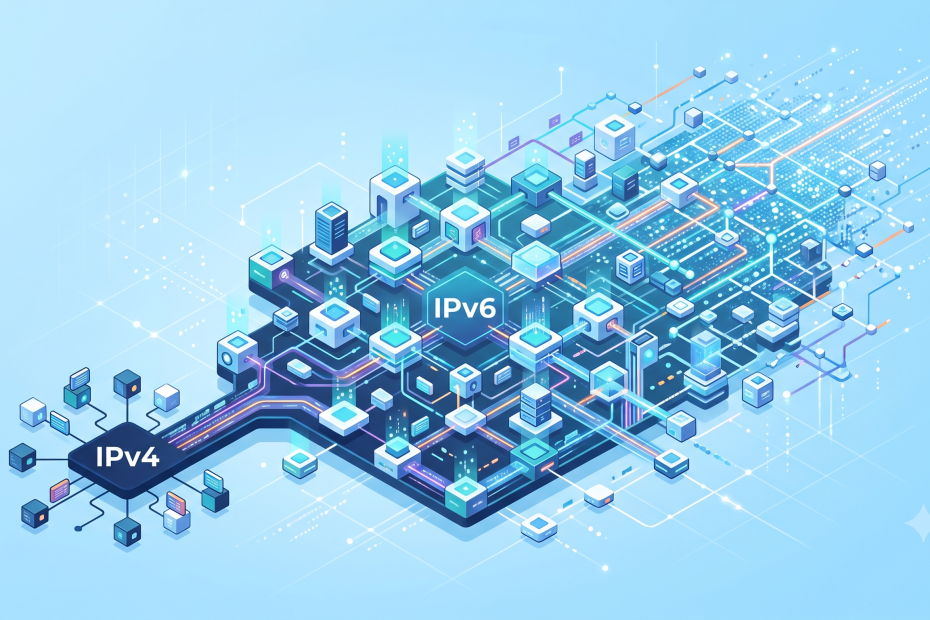
First of all, all IPv6 adresses is a biiiiig number!! (2128). An example of an IPv6 address is: 1051:2ABC:3500:0004:5ABC:7662:AB79:08A1 So the subnetmask always just represents the network bits in IPv6. So what’s a /64 network…
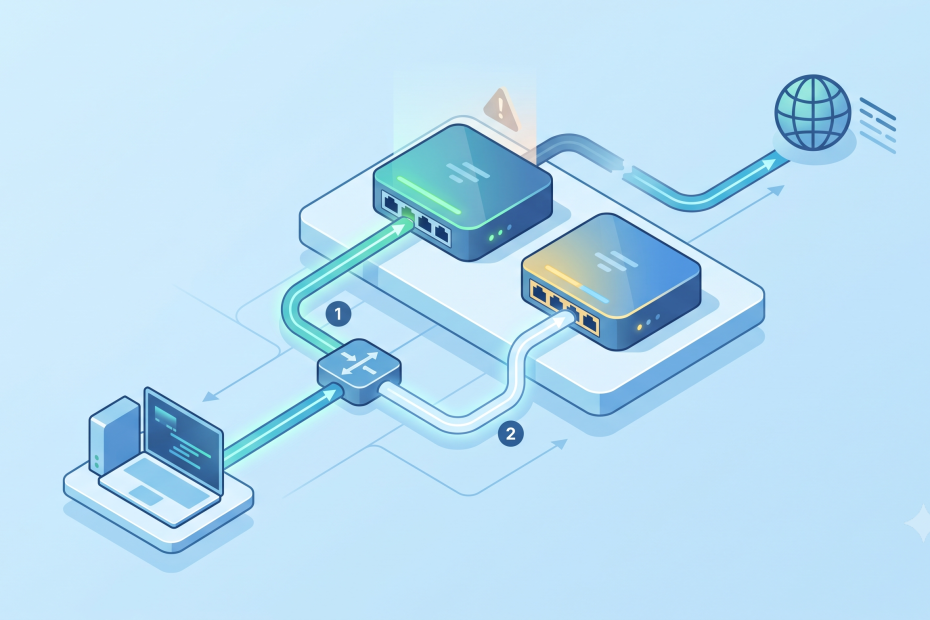
Clients like computers can only have ONE default gateway. If that one router crashes the computer is stuck, because his default gateway is unavailable. Welcome to the reason we have first hop redundancy protocols: All…
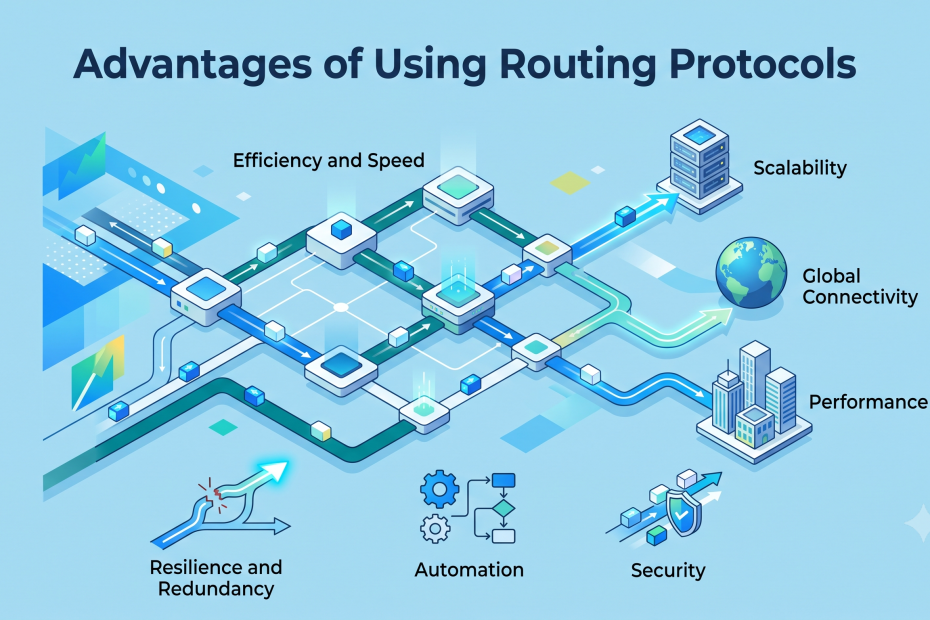
Adaptability If we have a static route in place, to go to router D go over router B. The router can detect if the interface goes down. The router is smart enough to remove the…
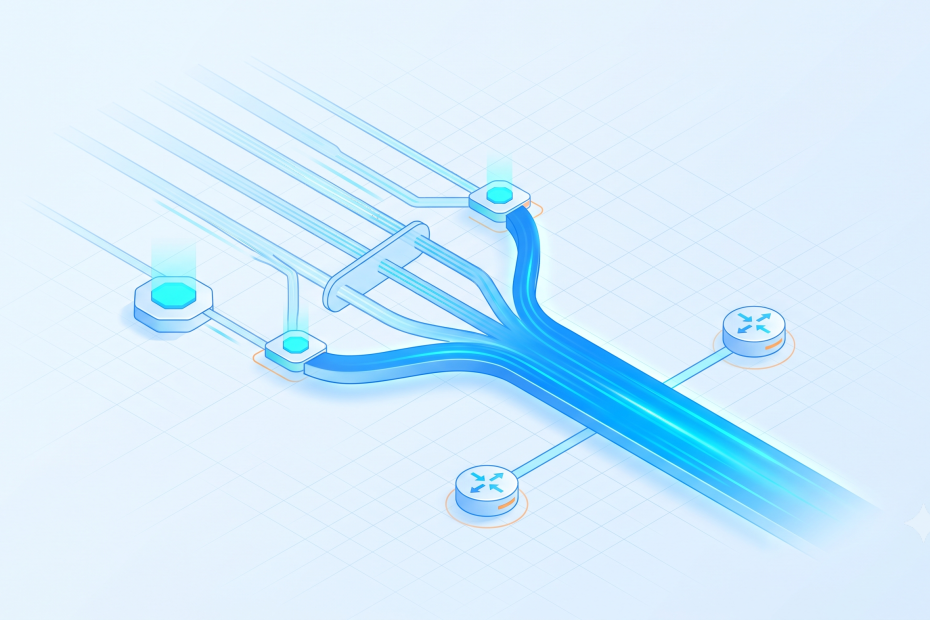
If we are talking of a LAG in this chapter, we talk about link aggregation group. It is used between ports connecting the same switches. If you have a LAG with 2x 1Gbit/s connection, there…
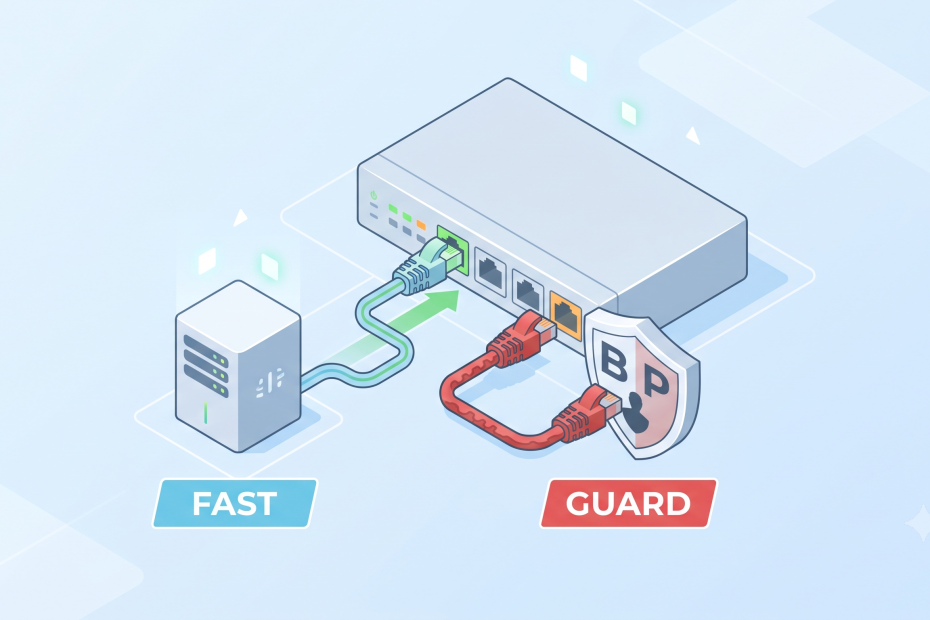
BPDU guard Every 2 seconds we send a BPDU on very port. BPDU guard does the following “whenever you recieve a BPDU on this port, disable it (put it in an error disabled state)” Turn…
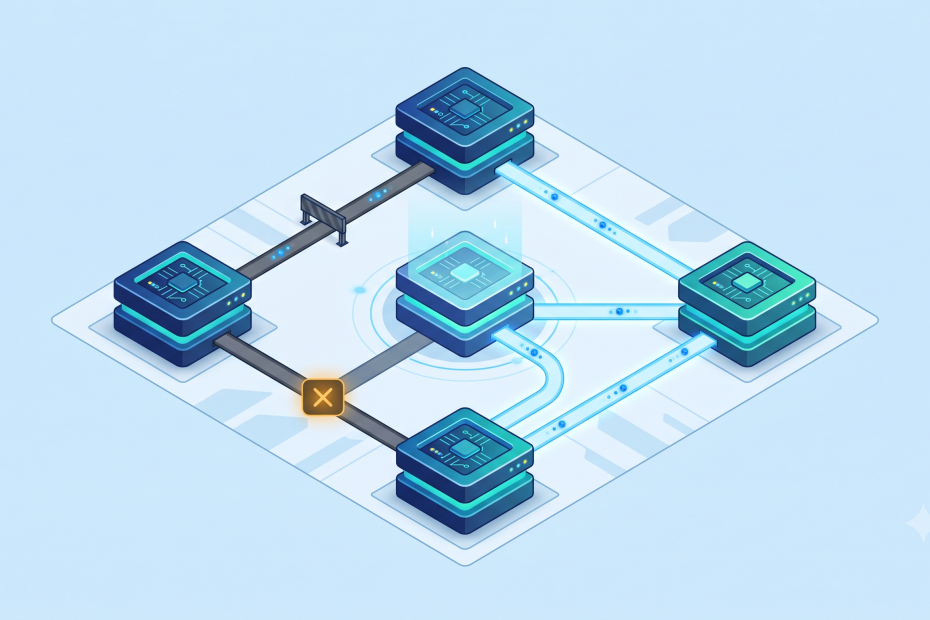
Stops broadcast storms in your network. STP looks for redundant connections in your network and blocks them until they really are needed. Why we need STP? Switches send broadcast traffic everywhere! If clients send a…
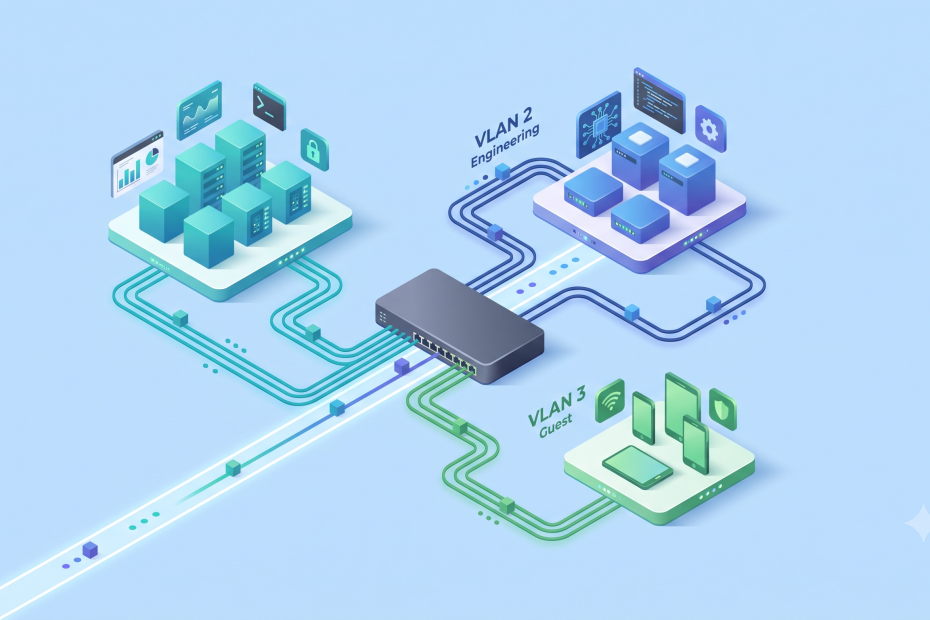
VLANs can be used to f.e. group employees together. To make sure no other employee can enter the network of this department. That’s what VLANs all about Why We Need VLANS What are VLANs? A…

Now that we understand subnetting., it’s time to take a look at our RFP and do the ip re-addressing for castle rsen coffee. So in our example they talk about, that in the central office…
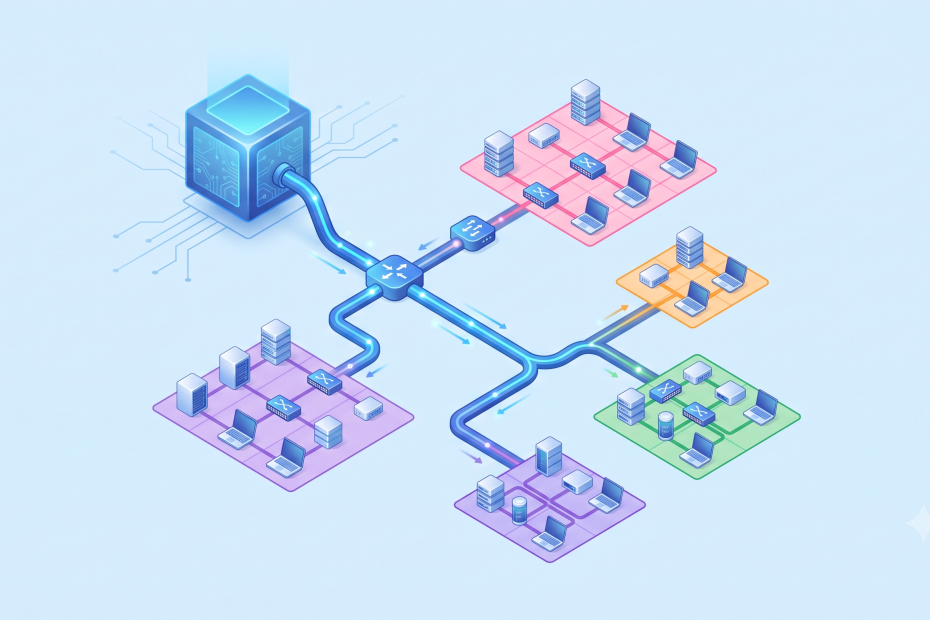
Subnetting is split one big network into multiple little ones. You can do this based on network requirements (we need 130 networks) or you can do this on host requirementes (we need have 50 hosts…