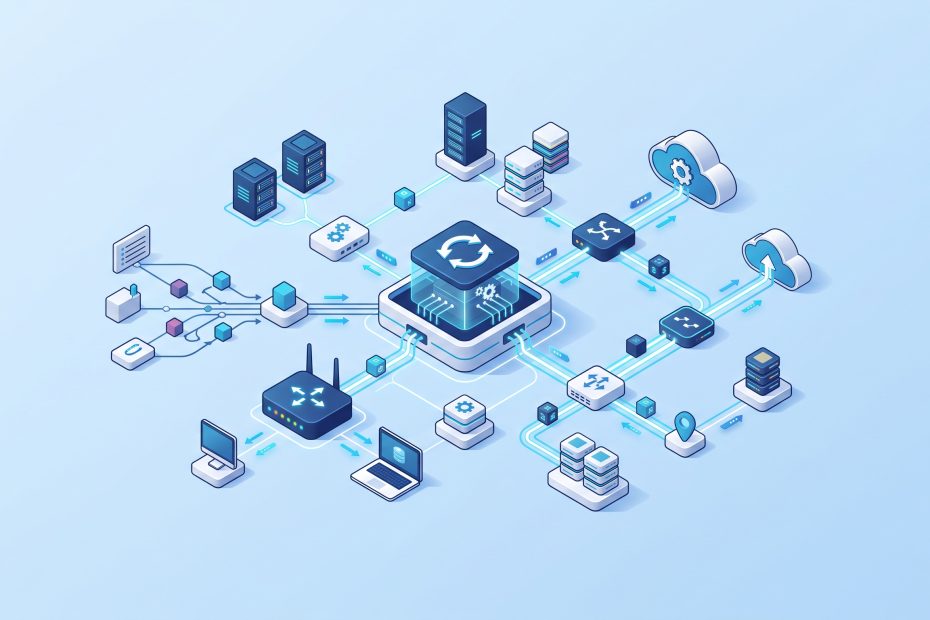
Network automation
Explaining Network Automation and SDN What is it -> It is the Cure to repetition. W I D G E T Wonder “Question the norm” Invention People that want to create smth. DiscernmentThe intuitive knack…
Explaining Network Automation and SDN What is it -> It is the Cure to repetition. W I D G E T Wonder “Question the norm” Invention People that want to create smth. DiscernmentThe intuitive knack…
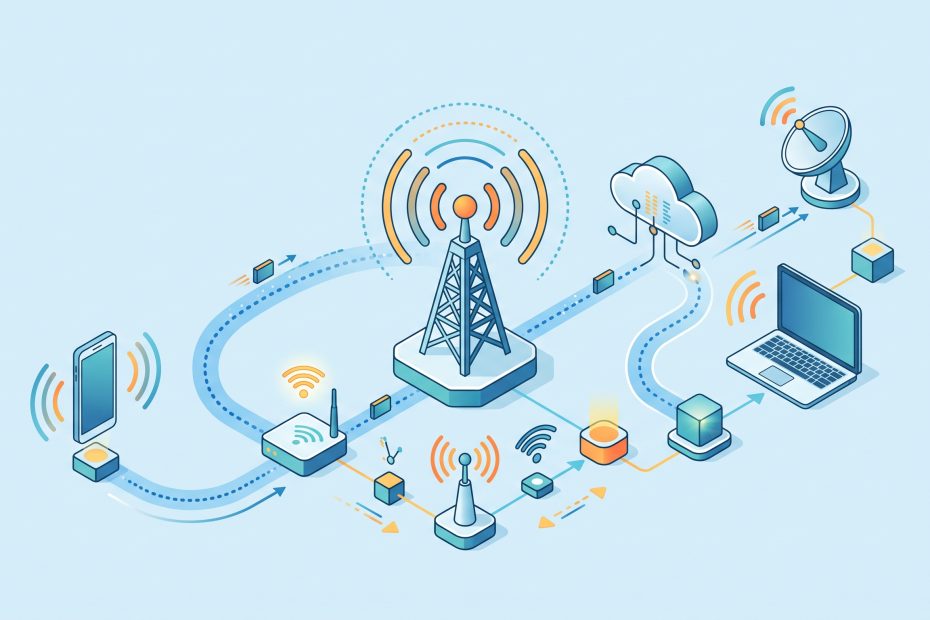
Wireless is just another way to send 0’s and 1’s. Copper sends data with Fiber sends data with WiFi sends data with Electricity Light Radio Frequencies CSMA /CD vs CSMA /CA CSMA /CD -> Carrier…
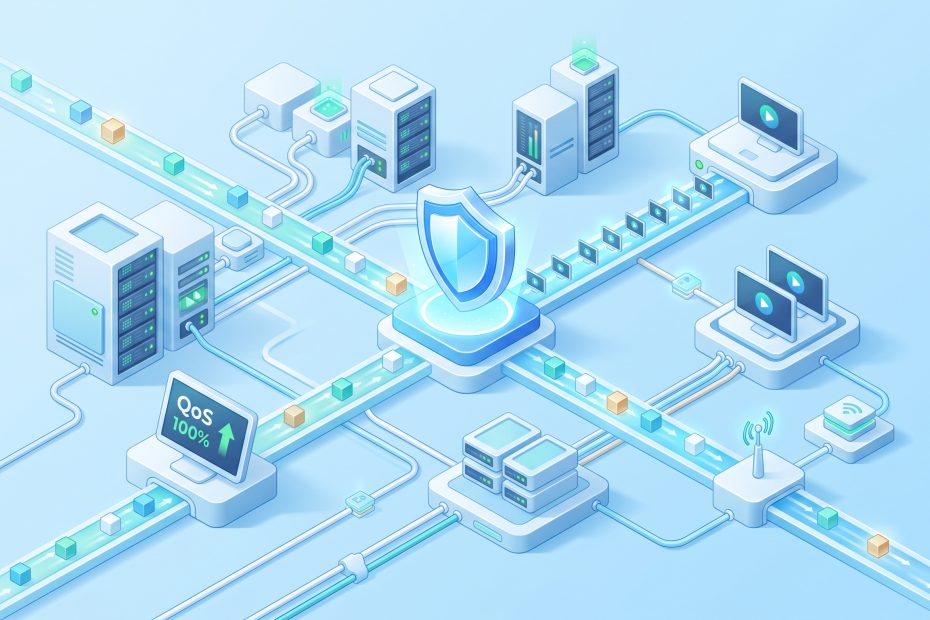
QoS Concept Overview Because we don’t have enough bandwidth to send all through at the same time a mechanism called FIFO (first-in first-out) gets triggered.The more realistic congestion point though is from your router to…
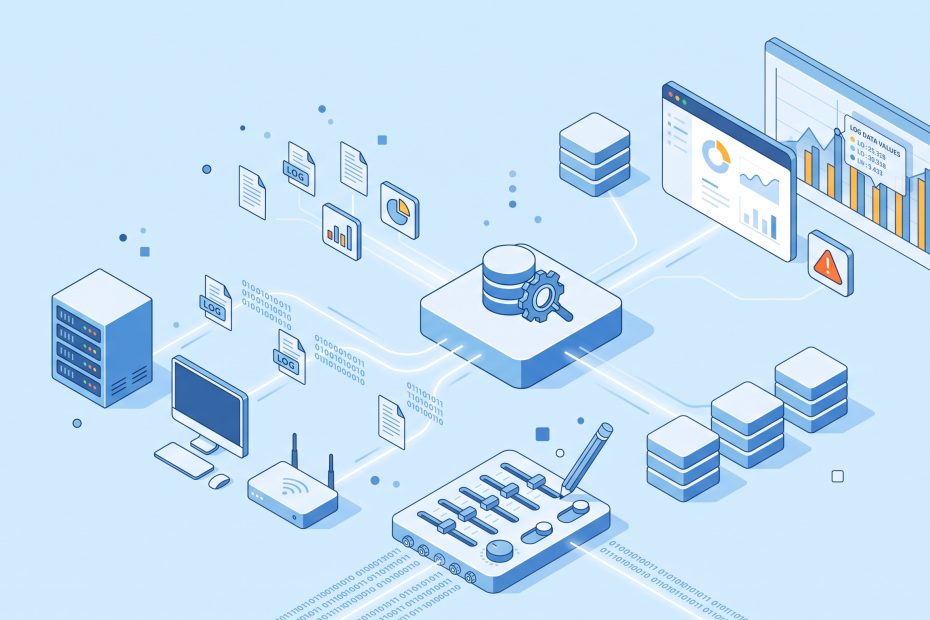
The idea of syslog is to summarize all the logs of all network devices and servers on one server, and you always have to consult this syslog server to see the logs. BSD -> older…
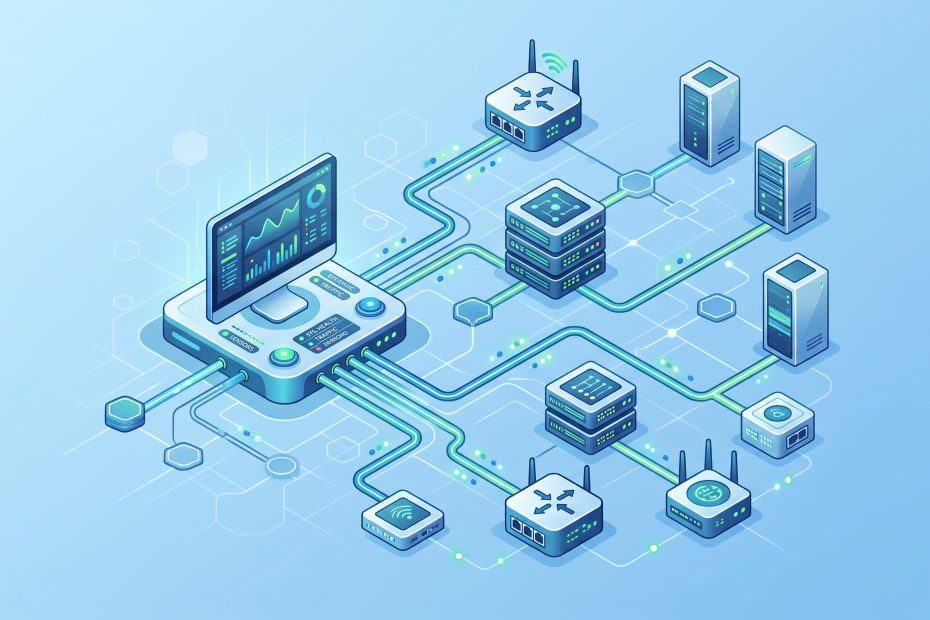
What is SNMP? SNMP -> simple network management protocol A bit like DHCP. DHCP says “give me that IP, and I’m good to go” SNMP says “give me that value, and I’m good to go”.…
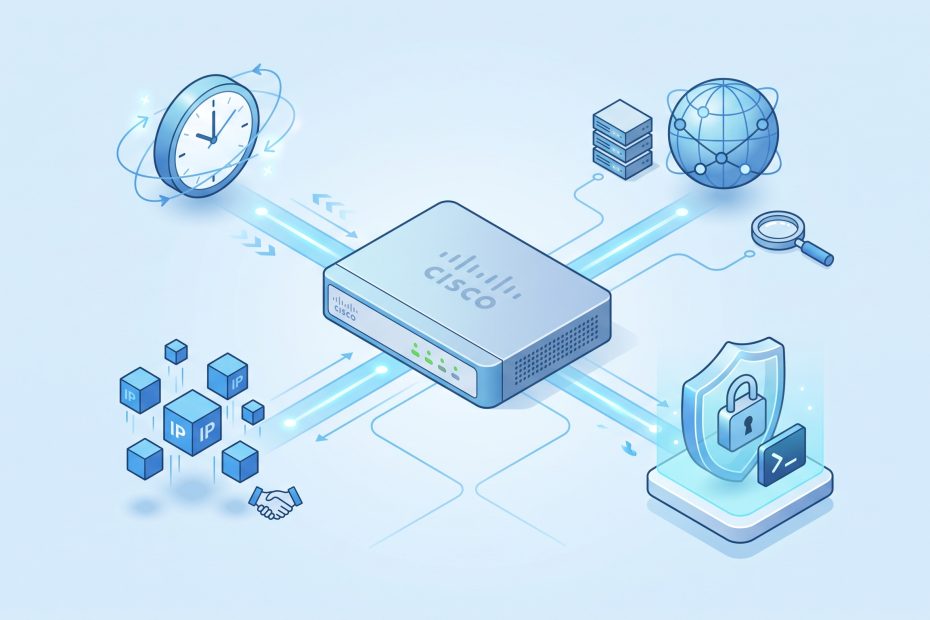
NTP – Network Time Protocol Manually Setting Cisco Clocks Logs on cisco devices have a time stamp. If the time is not correct, the time log in the logs are wrong as well and you…
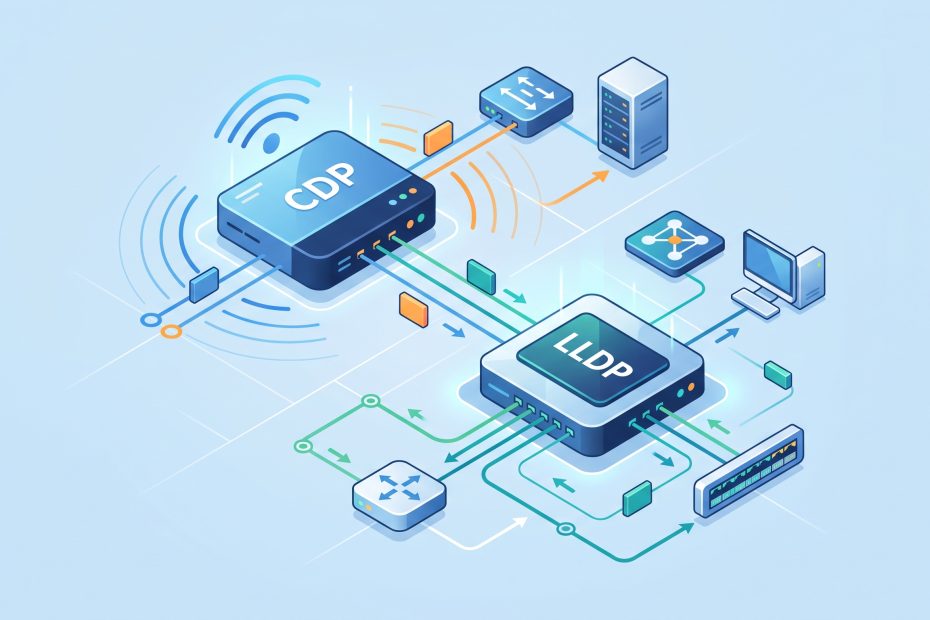
Cisco discovery protocol Using Cisco Discovery Protocol CDP allows you to see directly attached devices. But not just the devices, you see as well some information like which local port they are connected to, you…
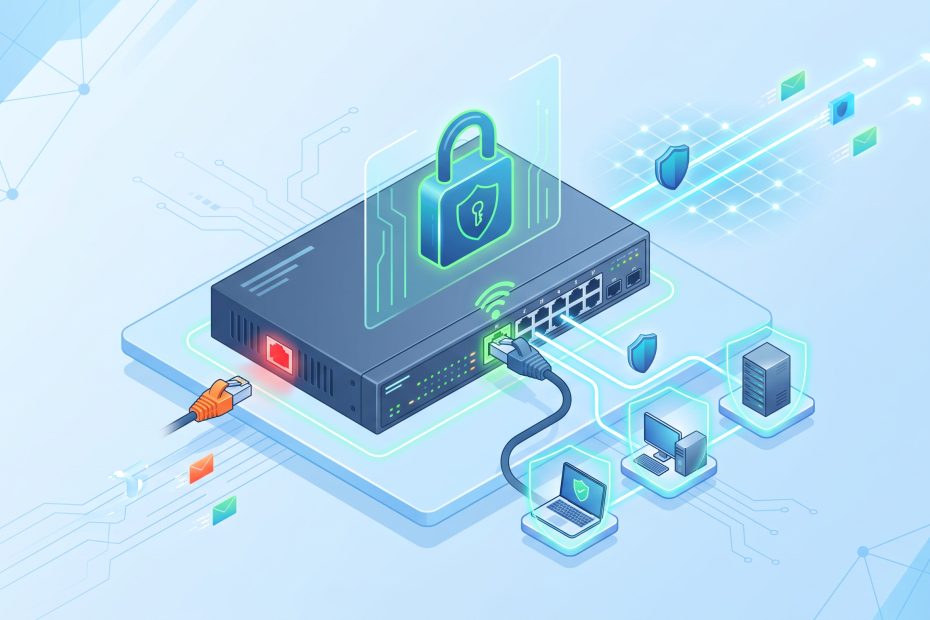
With port security you can restrict, what device or how many devices can use this port. Port-Sec Max devices -> I want to limit how many devices (mac addresses are allowed to plug in to…
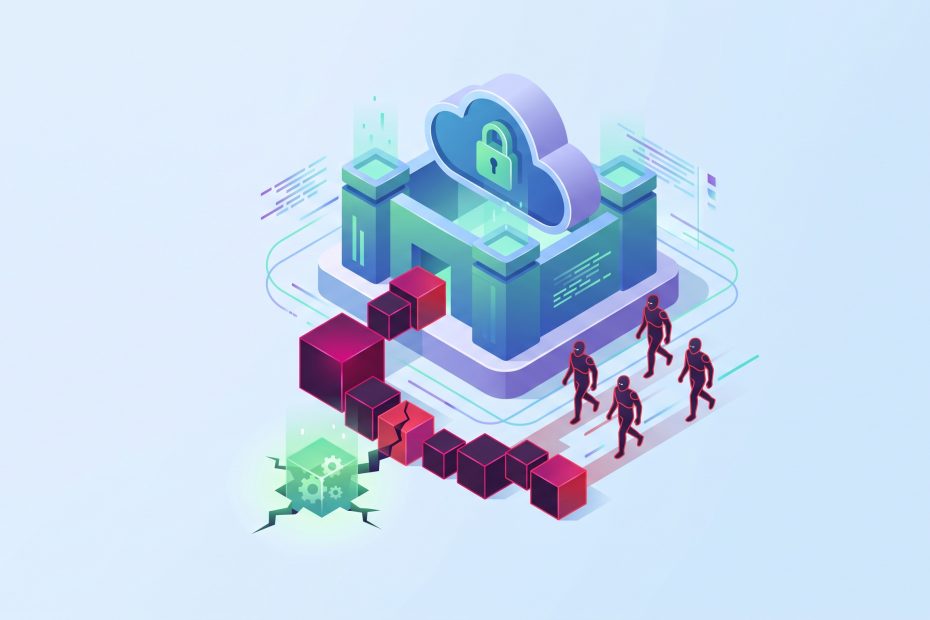
Network security Triangle of CIA, our mission of protecting our environment You can make a house so secure that no one can enter or leave it. But that destroys the whole meaning of a house.…
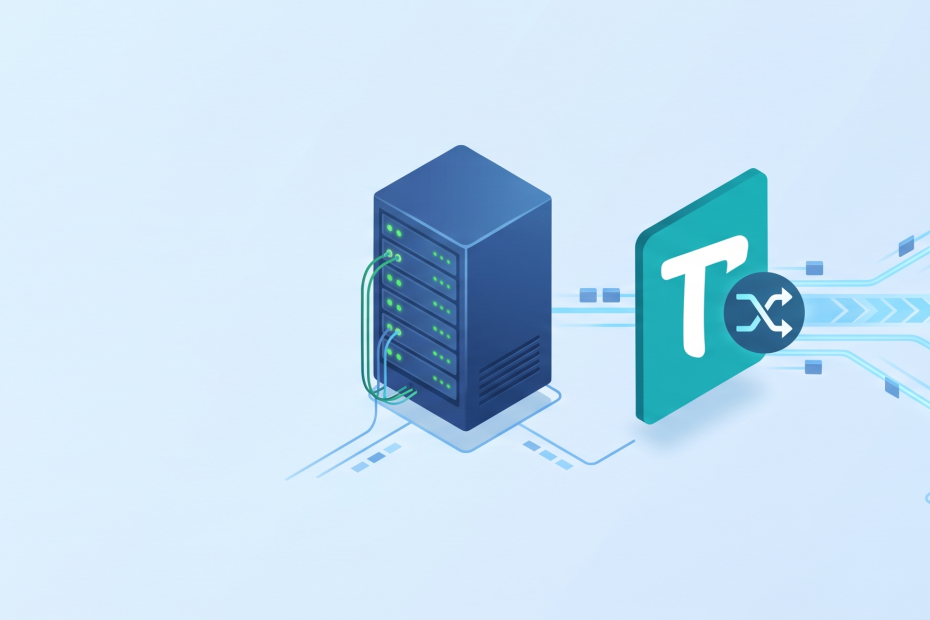
What is a reverse proxy? A reverse proxy is like a smart receptionist sitting in front of your internal servers and services. Instead of letting visitors (like your web browser) talk directly to each application…